Customer Feedback on Leading Brands of Blower Housing
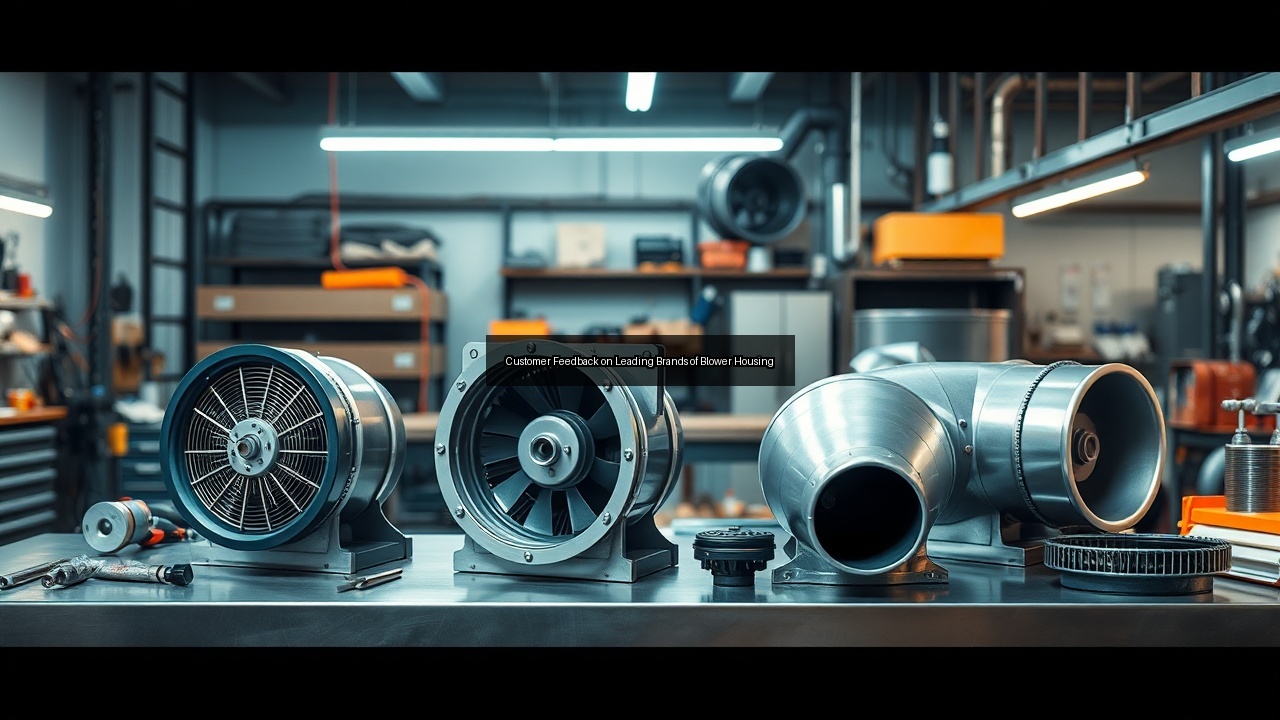
Understanding HVAC Blower Housing
Importance of Blower Housing in HVAC Systems
HVAC blower housing directs airflow through furnaces and air conditioners with precision. This component encloses blower fans and motors to create consistent pressure that pushes conditioned air into ducts. Strong housing prevents leaks that waste energy and reduce comfort in living spaces. Technicians install quality units to protect motors from dust buildup that shortens equipment life. Homeowners rely on durable HVAC blower housing to maintain steady temperatures across multiple rooms without constant adjustments. The cage design channels air efficiently while shielding internal parts from debris that enters through the air filter. Systems equipped with robust housings operate quietly and deliver better performance during peak summer or winter demands. Replacement of worn housing restores full capacity to ac blower units and prevents motor strain that leads to early failures. Proper sizing matches the specific furnace blower housing requirements to avoid restricted airflow that raises utility bills. Regular inspections catch cracks early and preserve the integrity of the entire HVAC system.
Types of Blower Housings: OEM vs Aftermarket
OEM blower housings match exact specifications from original equipment makers and fit without modifications. These units deliver precise alignment for blower motors and fans in branded HVAC systems. Aftermarket options provide cost savings while offering comparable performance for many furnace models. Installers choose OEM parts when warranty coverage requires factory-matched components. Aftermarket blower housing assembly often includes upgraded materials that resist corrosion in humid environments. Customers compare dimensions and mounting points before purchase to ensure compatibility with existing blower fans. OEM versions maintain factory noise levels and energy ratings that builders specify for new construction. Aftermarket alternatives frequently add reinforced cages that improve durability under heavy use. Both types support efficient air movement when paired with the correct HVAC blower motor. Selection depends on budget, expected lifespan, and the need for direct replacements in older air conditioner setups.
Top Brands of Blower Housings
Leading Manufacturers in the Industry
Carrier produces HVAC blower housing known for tight tolerances that support high-efficiency blower fans. Trane designs units with reinforced frames that withstand vibration from powerful motors in commercial systems. Lennox focuses on compact housings that fit modern furnace cabinets without sacrificing airflow capacity. Rheem offers models that integrate easily with variable-speed HVAC blower motors for better humidity control. Goodman supplies affordable options that perform reliably in residential applications across varied climates. These manufacturers invest in testing that verifies each blower housing meets strict pressure and noise standards. Supply houses stock popular sizes to serve technicians who repair air conditioners and furnaces daily. Brand reputation influences purchasing decisions when customers seek proven performance in blower housing assembly. Innovation from these companies includes improved sealing that reduces energy loss in ducted systems. Market presence grows through distributor networks that provide quick access to replacement parts for common HVAC configurations.
Brand Comparison: Features and Performance
Carrier blower housings emphasize corrosion-resistant coatings that extend service life in coastal regions. Trane units deliver higher static pressure ratings that benefit homes with complex duct runs. Lennox models reduce weight through advanced materials while preserving structural strength around the blower fan. Rheem products incorporate mounting features that simplify motor swaps during maintenance visits. Goodman housings provide solid value with standard dimensions that match most furnace blower housing replacements. Performance tests show differences in airflow consistency across brands under identical load conditions. Customers note quieter operation from premium brands that use precision-balanced cages. Budget options from aftermarket suppliers sometimes require extra sealing to match OEM efficiency levels. Warranty length varies and affects long-term ownership costs for HVAC systems. Feature sets like integrated drain channels appear more frequently in higher-priced units designed for humid climates.
Customer Feedback and Experiences
User Reviews on Blower Fans and Motors
Owners report that Carrier blower fans maintain steady speed even after years of continuous operation. Trane motors paired with quality housing receive praise for quick response to thermostat calls. Lennox users highlight smooth airflow that eliminates hot and cold spots in larger homes. Rheem feedback often mentions easy access panels that speed up routine inspections of the HVAC blower motor. Goodman reviews note reliable performance at lower purchase prices compared with premium competitors. Many customers describe reduced energy consumption after upgrading to new blower housing assemblies that fit their existing furnace. Positive comments focus on quieter operation once technicians install balanced blower fans. Negative notes appear when improper sizing restricts air movement through the air filter. Installers share success stories of matching motors to housing specifications that restore full system capacity. Overall satisfaction rises when brands provide clear installation guides for DIY-savvy homeowners tackling ac blower replacements.
Common Complaints and Praises
Customers praise durable cages that resist dents during shipping and installation. Complaints surface when aftermarket housings arrive with misaligned mounting holes that delay repairs. Praises highlight energy savings achieved through tighter seals around the blower fan. Frustrations arise from noisy operation caused by loose components inside lower-cost units. Positive reviews mention quick shipping from suppliers that stock popular furnace blower housing sizes. Some users report vibration issues resolved only after switching to OEM parts with exact tolerances. Satisfied owners appreciate warranty support that covers motor replacements tied to housing failures. Common praises include improved air quality once new housings prevent dust bypass around the air filter. Complaints center on plastic components that crack under thermal stress in attics. Brands that address these issues through design updates earn stronger loyalty from repeat buyers.
Impact of Warranty on Customer Satisfaction
Extended warranties on HVAC blower housing build confidence during major system repairs. Customers value coverage that includes both the housing and associated blower motors. Strong warranty terms reduce out-of-pocket costs when defects appear within the first five years. Brands that honor claims promptly receive higher ratings in online feedback forums. Limited warranties on aftermarket parts sometimes leave owners paying for labor on repeat failures. Satisfaction increases when manufacturers provide clear registration processes for new furnace installations. Homeowners report peace of mind knowing replacement blower housing assembly comes at no charge if issues develop early. Warranty length often influences brand selection over minor differences in initial performance. Clear documentation helps technicians process claims without disputes over installation methods. Satisfied customers recommend brands with responsive support teams that handle HVAC blower motor warranty requests efficiently.
Maintenance and Troubleshooting Tips
Maintaining Your Blower Housing for Longevity
Regular cleaning removes dust accumulation inside the HVAC blower housing that restricts airflow. Technicians vacuum around the blower fan and motor every season to prevent overheating. Lubrication of accessible points on some models extends bearing life and reduces friction. Inspection of seals identifies gaps that allow unfiltered air to bypass the air filter. Replacement of worn gaskets restores proper pressure inside the cage and improves efficiency. Homeowners schedule annual tune-ups that include blower housing checks before peak heating or cooling seasons. Proper storage of spare parts prevents warping that affects fit during emergency repairs. Keeping the surrounding area clear of debris protects the furnace blower housing from external damage. Documentation of maintenance visits helps track patterns that predict future component needs. Consistent care preserves performance and delays costly replacements of the entire HVAC system.
Common Issues with Blower Motors and Solutions
Motors overheat when restricted airflow occurs due to clogged blower housing vents. Technicians clear obstructions and verify that the air filter is changed on schedule. Bearing noise signals wear that requires motor replacement or housing realignment. Loose mounting bolts create vibration that damages the blower fan over time. Capacitor failure stops the motor from starting and demands immediate electrical testing. Solutions include upgrading to ball bearing motors that handle continuous duty better than sleeve designs. Wiring checks reveal loose connections that interrupt power to the HVAC blower motor. Replacement of damaged housing sections restores balance and eliminates rubbing against the cage. Proper voltage supply prevents premature burnout that shortens equipment life. Addressing these issues early maintains consistent performance from the complete blower housing assembly.
Innovations in Blower Housing Design
Advancements in Energy Efficiency
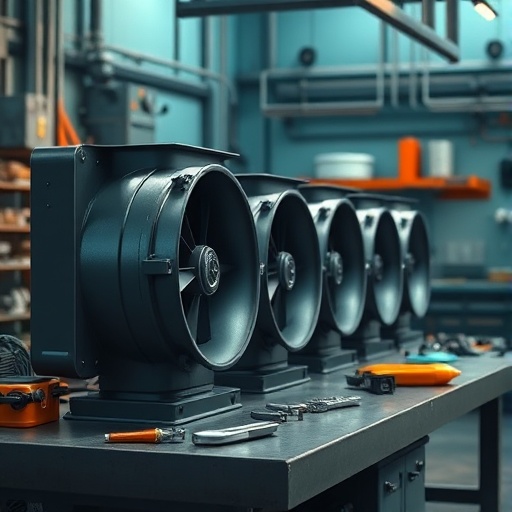
New HVAC blower housing designs incorporate variable geometry that adjusts airflow based on demand. Manufacturers integrate smart sensors that optimize motor speed and reduce wasted energy. Improved insulation layers minimize heat transfer that affects furnace efficiency ratings. Lightweight composites replace heavier metals while maintaining structural integrity around the blower fan. These changes lower operating costs for homeowners running air conditioners throughout summer months. Testing confirms higher SEER ratings when systems use updated blower housing assemblies. Energy recovery features appear in premium models that capture otherwise lost airflow. Adoption of these innovations spreads through rebates offered by utility companies. Performance gains appear most noticeable in homes with older HVAC systems undergoing upgrades. Continued development focuses on matching housing improvements with high-efficiency blower motors.
The Role of Ball Bearings and Noise Reduction
Ball bearing installations in blower motors cut friction and extend operational life significantly. These bearings support higher speeds without generating excess heat that stresses the HVAC blower housing. Noise reduction results from precision machining that eliminates wobble in the blower fan assembly. Manufacturers add damping materials inside the cage to absorb sound waves before they reach living areas. Customers notice quieter startups and shutdowns after upgrading to bearing-equipped units. Design advances include sealed bearings that resist dust ingress common in attic installations. Reduced vibration protects surrounding components and lowers the chance of premature housing cracks. Feedback highlights improved comfort in bedrooms located near furnace closets. Brands promote these features as standard on newer models that target noise-sensitive applications. Ongoing refinements aim to achieve near-silent performance across all HVAC system capacities.
See Also
- Common Issues with Furnace Blower Housing and How to Fix Them
- Exploring the Different Types of Blower Housing for Air Conditioners
- Why Ball Bearings Matter in Your HVAC Blower Motor
- The Importance of Quality OEM Blower Housings in HVAC Performance
- Enhancing Air Quality with Properly Installed Blower Housings