The Relationship Between Gearbox Design and Maintenance Needs
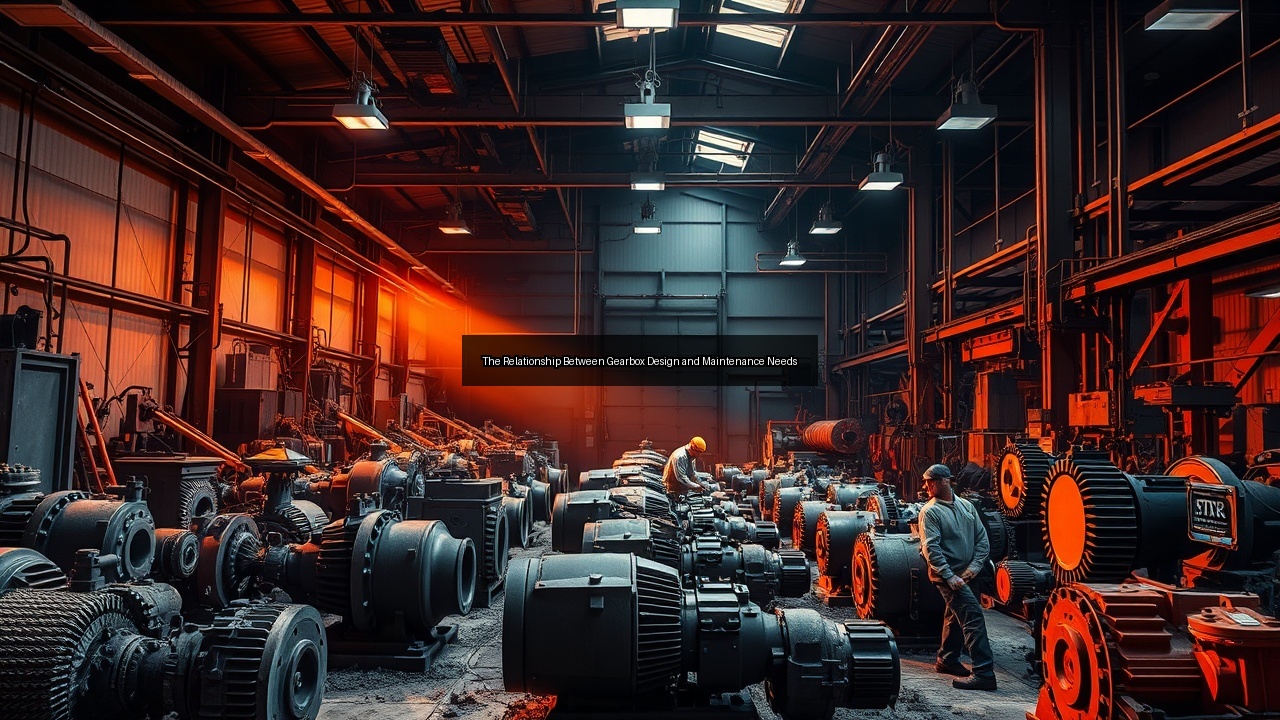
Understanding Gearbox Design and Its Impact on Maintenance
Key Components of Gearbox Design
Gearbox design plays a critical role in determining the efficiency and reliability of power transmission systems. At the heart of any gearbox are its key components: gears, bearings, housings, and lubrication systems. Each element contributes to the overall performance and maintenance needs of the gearbox. For instance, the gearing arrangement—whether it employs spur gears, helical gears, or worm gears—affects how power is transmitted and the torque output. Proper design minimizes friction and wear, which can lead to reduced maintenance frequency and downtime. Engineers must carefully consider materials and configurations to ensure that the gearbox operates smoothly under varying loads and speeds.
The Role of Gearing in Power Transmission
The gearing system within a gearbox directly influences power transmission efficiency. Gears convert rotational energy from the motor into usable power for machinery. The choice of gear ratio affects speed and torque, which in turn dictate how much stress the gearbox experiences during operation. Higher torque applications can lead to increased wear and tear, necessitating a robust design that accommodates such demands. Properly designed gearing not only ensures effective power transmission but also plays a vital role in extending the lifespan of the gearbox, reducing the frequency of industrial gearbox maintenance required. Thus, understanding the gearing dynamics is essential for engineers during the design process to optimize performance and maintenance strategies.
How Speed and Torque Affect Maintenance Needs
Speed and torque are two fundamental parameters that significantly influence the maintenance needs of industrial gearboxes. Higher speeds can elevate temperatures within the gearbox, stressing lubricants and increasing the likelihood of component degradation. Conversely, high torque applications can lead to excessive wear on gears and bearings, resulting in potential failures if not monitored closely. Effective maintenance routines must account for these variables, ensuring that lubrication is adequate and that components are regularly inspected for signs of wear. Engineers often use performance data to tailor maintenance schedules, ensuring that the gearbox operates within safe limits to minimize downtime and prevent costly repairs. Balancing speed and torque management is crucial for sustaining efficiency and prolonging gearbox life.
Common Maintenance Challenges in Industrial Gearboxes
Environmental Factors and Their Effects
Environmental factors pose significant challenges for industrial gearbox maintenance. Gearboxes often operate in harsh conditions that include extreme temperatures, humidity, and exposure to corrosive substances. These environmental stresses can lead to accelerated wear and tear on gearbox components. For instance, excessive heat can cause lubrication to break down, while moisture can introduce rust and corrosion. Engineers must take these conditions into account during the design phase, selecting materials and coatings that can withstand such environments. Regular maintenance checks should include assessments of environmental impact, allowing for timely interventions to mitigate potential damage. Implementing protective measures such as covers or seals can also enhance the longevity of gearboxes operating in challenging conditions.
The Impact of Dust and Contaminants
Dust and contaminants significantly affect the performance and maintenance of industrial gearboxes. Particles entering the gearbox can cause abrasion on gear teeth and bearings, leading to premature failures. Contaminants can also compromise lubricant quality, resulting in increased friction and heat generation. It is essential to implement effective sealing solutions to prevent dust ingress. Regular cleaning and maintenance routines should include thorough inspections for any signs of contamination. Employing filters on ventilation systems can also help reduce the introduction of dust. Awareness of the operating environment allows engineers to design gearboxes with suitable filtration and sealing technologies, ultimately enhancing reliability and reducing maintenance needs.
Vibration Issues and Their Solutions
Vibration in gearboxes often indicates underlying issues, such as misalignment, imbalance, or wear. Excessive vibration can lead to catastrophic failures if not addressed promptly. It is crucial to monitor vibration levels as part of routine maintenance to identify potential problems early. Engineers can use vibration analysis to assess the health of the gearbox, allowing for data-driven decisions regarding repairs or adjustments. Implementing balancing techniques during installation can also mitigate vibration issues. Additionally, isolating gearboxes from other machinery can help reduce the transmission of vibrations, further protecting the gearbox and enhancing its performance. Addressing vibration proactively can significantly extend the lifespan of industrial gearboxes and minimize costly downtime.
Best Practices for Industrial Gearbox Maintenance
Routine Maintenance Strategies
Establishing a routine maintenance strategy for industrial gearboxes is essential for ensuring optimal performance and longevity. Regular inspections should include checking for leaks, monitoring lubricant levels, and assessing the condition of gears and bearings. Creating a maintenance log helps track operational history, facilitating better planning and resource allocation. Scheduled maintenance intervals depend on factors such as operating environment, load conditions, and gearbox design. Implementing predictive maintenance techniques, such as condition monitoring, allows for proactive interventions before issues escalate into failures. Adopting a comprehensive maintenance approach not only reduces downtime but also enhances overall equipment effectiveness, ensuring that gearboxes operate at peak efficiency.
Lubrication Techniques for Optimal Efficiency
Proper lubrication is fundamental to the efficiency and reliability of industrial gearboxes. Selecting the right lubricant type, whether oil or grease, gearbox maintenance for industry depends on the gearbox design and operating conditions. Engineers must consider factors such as temperature, load, and speed when choosing lubricants to ensure optimal performance. Implementing a regular lubrication schedule minimizes friction and wear, extending the lifespan of components. Techniques such as automatic lubrication systems can enhance efficiency by ensuring consistent application of lubricant. Additionally, using advanced lubricants with additives can improve performance under extreme conditions. Regular analysis of industrial gearbox service lubricant condition helps identify contamination or degradation, allowing for timely replacements and maintaining gearbox efficiency.
Technology Solutions for Gearbox Monitoring
Integrating technology solutions into gearbox maintenance practices revolutionizes how industries monitor and manage their equipment. Sensors and IoT devices enable real-time data collection on temperature, vibration, and lubricant condition. This data allows engineers to gain insights into gearbox health, facilitating predictive maintenance approaches that reduce unplanned downtime. Advanced analytics can identify patterns that indicate potential failures, allowing for timely interventions. Utilizing software for maintenance management can streamline scheduling and documentation, ensuring that all maintenance activities are tracked effectively. By adopting these technology solutions, companies can enhance their industrial gearbox maintenance practices, resulting in improved reliability and reduced operational costs.
Expert Insights on Gearbox Failures and Repairs
Common Failure Modes in Gearboxes
Understanding common failure modes in gearboxes helps engineers design more reliable systems and develop effective maintenance strategies. Wear and tear on gears and bearings typically results from inadequate lubrication or misalignment. Fatigue failure can occur when components are subjected to excessive loads over time, leading to cracks and fractures. Additionally, overheating can cause thermal failure, damaging seals and lubricants. Regular inspections and condition monitoring are critical for identifying these issues early. By understanding the specific failure modes relevant to their equipment, engineers can implement targeted maintenance practices that address weaknesses and enhance gearbox performance.
Signs Your Gearbox Needs Repair
Recognizing the signs that a gearbox requires repair is crucial for preventing catastrophic failures. Listen for unusual noises, such as grinding or whining, which may indicate gear misalignment or wear. Increased vibration levels can signal imbalance or deterioration of components. Additionally, leaking lubricants or abnormal temperature spikes are red flags that necessitate immediate attention. Engineers should establish a maintenance checklist that outlines these indicators, ensuring that operators are aware of potential issues. Timely repairs not only prevent further damage but also reduce overall maintenance costs, keeping industrial operations running smoothly.
Consulting Engineers for Effective Maintenance Planning
Consulting experienced engineers for gearbox maintenance planning offers valuable insights into optimizing performance and reliability. Engineers can assess the specific needs of the operation, considering factors such as load, speed, and environmental conditions. They can recommend tailored maintenance strategies that align with industry best practices while addressing unique operational challenges. Furthermore, engaging experts in gearbox design and maintenance can facilitate the implementation of cutting-edge technologies and methodologies. Collaborating with engineers empowers organizations to enhance their industrial gearbox maintenance routines, ensuring longevity and efficiency in their equipment.
See Also
- Worm Gear Maintenance Strategies for Peak Performance
- Design Innovations in Gearbox Technology for Enhanced Longevity
- Essential Best Practices for Maintaining Your Industrial Gearbox
- Mastering Industrial Gearbox Maintenance for Maximum Efficiency
- Essential Best Practices for Long-lasting Gearbox Performance