The Science Behind Dehumidification and Outdoor Air Quality
Understanding Humidity and Its Impact on Air Quality
The Science of Humidity
Humidity refers to the concentration of moisture in the air, measured as a percentage. When humidity levels rise, the air becomes saturated, making it feel heavier and more uncomfortable. The science behind humidity involves understanding how water vapor interacts with air temperature. Warm air holds more moisture than cold air, which is why humid days often feel stifling. Relative humidity, the ratio of current moisture to the maximum moisture air can hold at a given temperature, plays a crucial role in determining comfort levels and air quality. High humidity can lead to a variety of issues, including mold growth, increased allergens, and poor indoor air quality. These factors can significantly influence both indoor and outdoor spaces, creating environments that can affect health and comfort.
Effects of High Humidity on Indoor and Outdoor Spaces
High humidity levels create an oppressive atmosphere that impacts both indoor and outdoor environments. In indoor spaces, excessive moisture can lead to the development of mold and mildew, which thrive in damp conditions. These fungi release spores that can trigger allergies and respiratory issues. Additionally, high humidity can cause discomfort, leading to increased use of air conditioning systems to maintain a cooler temperature, thereby increasing electricity consumption. Outside, high humidity affects air quality by trapping pollutants and allergens, making it harder for people to breathe. Outdoor humidity can also adversely affect vegetation, leading to the proliferation of pests and diseases that harm plants. Understanding the effects of humidity is essential for maintaining healthy spaces.
How Humidity Affects Energy Consumption
Humidity significantly impacts energy consumption, particularly in climate-controlled spaces. High humidity levels make air conditioning systems air dehumidifiers work harder to maintain comfortable temperatures. As the HVAC systems struggle to remove excess moisture from the air, they consume more electricity, leading to higher energy bills. Additionally, buildings with inadequate dehumidification face the risk of increased wear and tear on equipment due to continuous operation. This not only raises energy costs but also shortens the lifespan of HVAC systems. In contrast, effective humidity management through dehumidifiers can optimize energy efficiency, reduce operational costs, and enhance overall comfort. By implementing outdoor dehumidifiers, homeowners can significantly lower their energy consumption while improving air quality.
The Role of Outdoor Dehumidifiers in Improving Air Quality
How Outdoor Dehumidifiers Work
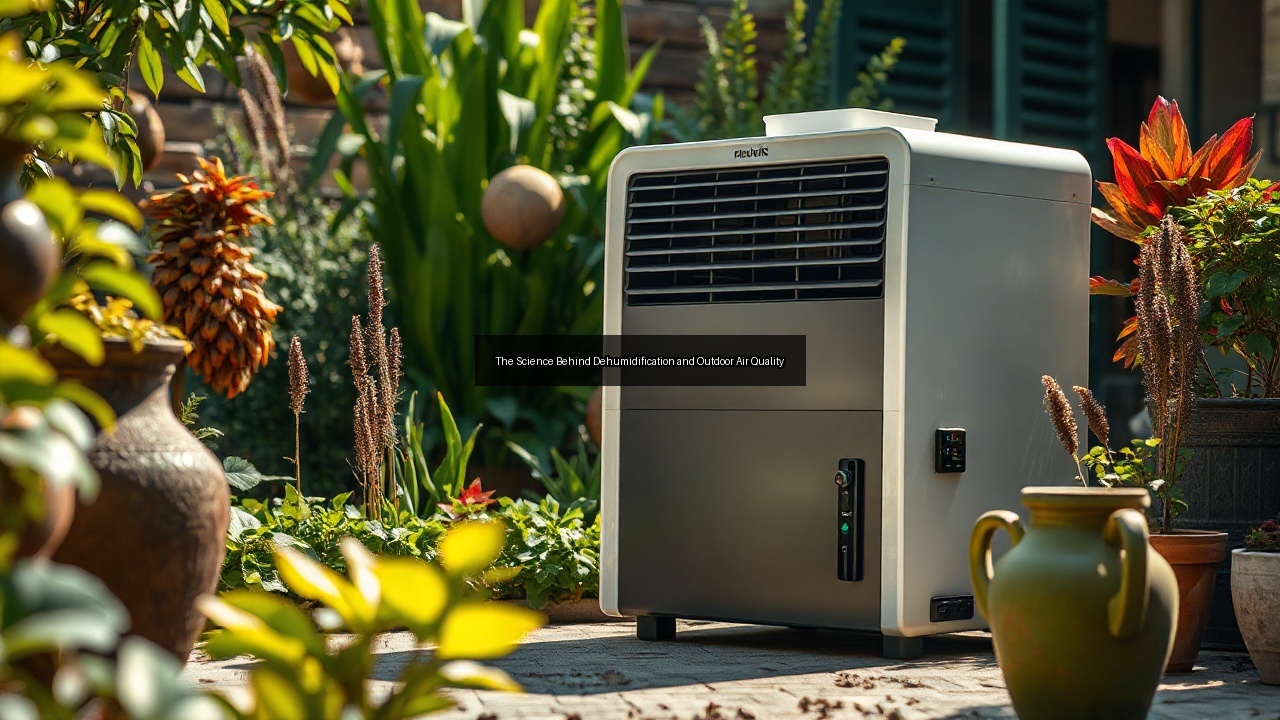
Outdoor dehumidifiers function by drawing in humid air, cooling it to remove moisture, and then releasing drier air back into the environment. These units typically use a compressor to cool coils, causing moisture to condense and collect in a tank or drain away through a duct system. The dehumidification process not only lowers humidity levels but also helps filter out allergens, pollutants, and other airborne particles, contributing to better air quality. Many outdoor dehumidifiers are built to withstand various weather conditions, ensuring reliable performance year-round. By maintaining optimal humidity levels, these devices create healthier outdoor spaces, making them essential for homes with gardens, pools, or areas prone to dampness.
Benefits of Using Outdoor Dehumidifiers
Using outdoor dehumidifiers offers numerous advantages, particularly in regions with high humidity. These devices significantly reduce moisture levels, which helps prevent mold growth and the development of allergens. Improved air quality not only enhances comfort but also promotes overall health for individuals with respiratory issues. Additionally, outdoor dehumidifiers can protect outdoor furniture and structures from moisture damage, prolonging their lifespan. They also reduce the need for frequent maintenance, as lower humidity levels help prevent rust and decay. Furthermore, by optimizing energy efficiency, outdoor dehumidifiers can help lower energy bills, making them a cost-effective solution for maintaining comfortable and healthy environments.
Comparing Indoor vs. Outdoor Dehumidification
Indoor and outdoor dehumidification serve different but complementary purposes. Indoor dehumidifiers primarily focus on reducing moisture in enclosed spaces, helping to maintain comfort and health within homes or commercial buildings. These units are typically designed to operate quietly and fit within various room sizes. In contrast, outdoor dehumidifiers are built to handle larger spaces and are often more robust to withstand external conditions. While indoor units improve air quality indoors, outdoor units mitigate humidity effects in gardens, patios, and outdoor gathering areas. Each has unique features tailored to their environments, but together, they create a comprehensive solution for managing humidity levels effectively, ensuring both indoor and outdoor air quality are optimized.
Selecting the Right Outdoor Dehumidifier
Key Features to Look For
Selecting the right outdoor dehumidifier requires careful consideration of several key features. First, look for units with high moisture removal capacities, measured in gallons per day. This capacity determines how effectively the dehumidifier can handle the humidity levels in your area. Energy efficiency should also be a priority; models with Energy Star ratings consume less electricity while delivering optimal performance. Additionally, the design and build quality matter; outdoor dehumidifiers should be weather-resistant to endure various environmental conditions. Features like built-in humidistats, automatic shut-off, and continuous drainage options enhance usability and convenience. Consider the noise level of the unit, especially if it will be placed near outdoor living spaces, to ensure it does not disrupt your enjoyment of the outdoors.
Energy Efficiency Ratings: Understanding Energy Star
Energy efficiency plays a critical role in selecting an outdoor dehumidifier. Energy Star ratings indicate that a product meets strict energy efficiency guidelines set by the U.S. Environmental Protection Agency. Dehumidifiers with this certification use 20-30% less energy than standard models, providing significant savings on electricity bills. When evaluating outdoor dehumidifiers, check the Energy Factor (EF) rating, which measures the amount of moisture removed per kilowatt-hour used. Higher EF ratings signify better efficiency. Investing in an Energy Star-certified outdoor dehumidifier not only benefits your wallet but also reduces your environmental footprint, making it a responsible choice for homeowners aiming to improve air quality while conserving energy.
Capacity Considerations: Gallons and Tank Size
When selecting an outdoor dehumidifier, capacity considerations are crucial. The moisture removal capacity, typically expressed in gallons per day, indicates how effectively the unit can manage humidity levels. Homeowners should assess their specific humidity needs based on local climate conditions. Larger areas or regions with persistent high humidity require dehumidifiers with higher capacities. Additionally, tank size matters; a larger tank means less frequent emptying and more continuous operation. Some units offer direct drainage options, allowing for uninterrupted moisture removal without the need to manually empty tanks. Understanding these capacity factors ensures you choose an outdoor dehumidifier that meets your needs and maintains optimal air quality efficiently.
Maintenance and Troubleshooting of Outdoor Dehumidifiers
Common Issues with Outdoor Dehumidifiers
Regular maintenance is essential for outdoor dehumidifiers to operate efficiently. Common issues include clogged filters, which can impede airflow and reduce performance. It’s crucial to clean or replace filters regularly to maintain optimal function. Another common problem is water pooling around the unit, which may indicate a clogged drainage system or a full tank. Homeowners should also watch for unusual noises from the compressor or fan, signaling potential mechanical air dehumidifiers issues that may require professional servicing. Additionally, ensure that the unit is level and properly positioned to prevent malfunction. Addressing these common issues promptly helps extend the life of your outdoor dehumidifier and ensures it operates effectively.
Extending the Life of Your Dehumidifier
Extending the life of your outdoor dehumidifier involves routine maintenance and proper usage. Start by regularly cleaning the filters and ensuring the coils remain free of dust and debris. Check and clean the drainage system to prevent clogs, which can lead to water damage and reduced efficiency. Store the unit properly during the off-season by following the manufacturer’s guidelines, often including draining the tank and cleaning components. Monitor humidity levels and adjust settings accordingly to avoid overworking the dehumidifier. Familiarize yourself with the warranty details, as many manufacturers offer maintenance guidelines that can help prolong the unit's lifespan. By adhering to these practices, you can maximize your dehumidifier's performance and longevity.
Warranty and Service Considerations
When purchasing an outdoor dehumidifier, understanding warranty and service options is vital. Most manufacturers offer warranties ranging from one to five years, covering parts and, in some cases, labor. Review the warranty details carefully, including what is covered and any specific maintenance requirements to keep the warranty valid. Opt for brands known for reliable customer service and support, as this can be invaluable if issues arise. Regular servicing by qualified technicians ensures that your outdoor dehumidifier remains in optimal condition, preventing costly repairs down the line. Investing in a quality dehumidifier with solid warranty and service options offers peace of mind, ensuring clean, dry air for years to come.